Stephen Regan, Behind the cheesy show title, a profound truth

Sometimes it is clichés such as ‘Stop the World – I Want to Get Off’ that best capture the zeitgeist.

 In the turmoil of the 1960s, even as a small child, I realised there was something profound in that phrase, oft-uttered back then. It’s retained popular currency through the decades, though not because of any great fondness for the eponymous stage musical, which is a piece of cheesy sentimental claptrap.
   The show is about a man dissatisfied with his life, seeking solace in the arms of various women. He’s searching for something better than he has, only to realise, eventually, that it’s the love of his wife that matters. Talk about conceptual mediocrity …
   But, now, when I’m in my mid-50s, and the world rushes by in a blizzard of trashy images and infotainment crap, I realise that ‘Stop the World – I Want to Get Off’ is an accurate way of summarising how so many humans feel about living today. We are fatigued by the relentlessness and increasing infantilism and narcissism of digital communications.
   I remember the moment, a couple of years ago, when the phrase re-injected itself into my consciousness with renewed vigour for the modern age.
   ‘Stop the World – I Want to Get Off’, I thought as I handled newswire copy about Lady Gaga dressing up in strips of meat to make a point about human rights, apparently.
    She was parading around draped in offal at the MTV awards in LA.
   “If we don’t stand up for what we believe in and fight for our rights pretty soon, we are going to have as much rights as the meat on our bones,” she cooed. “And I am not a piece of meat.”
   Er, yes sweetheart, all right, you’ve made your point, now move along, you’re beginning to stink the place out.
   As a craft-trained British newspaper journalist, I feel the news has gone weird, with showbiz dross everywhere, thick tarts (men and women) on and off football fields, and telly programmes designed for morons.
We’re heading to Hades in a Ferrari.
   When I first started in newspapers, there was a typewriter and an ashtray on every desk, a bollocking editor in every newsroom, union posters on the walls. If the masters dared upset us hacks, there’d be an immediate mandatory disruptive meeting on the company premises.
   It was real. We journalists were in control of the information back then in the 1980s and for much of the 90s.
   We were professionals, trained to block out bullshit. We weren’t amateur communicators like most people now in the digital age. That’s what the web is in essence – publishing for amateurs; all the bonkers bloggers, the posters of emotional diarrhoea on Facebook, and all those tits-in-trance on Twitter.
   We real hacks were battle-scarred from all the death knocks we went out on. You don’t know what a tough job is until you’ve stared into the eyes of a mum whose sons have been killed in a road traffic accident on the mean streets of … Colchester, Hackney, Hull and Stirling in my case, plus a few other places.
   And we were thumped and spat at by the wrong-doers occasionally, threatened by the powerful and wealthy, but we didn’t care. We got to the truth and told it. No-one closed us down.
   Now, look at the newspapers, full of TV-related trash and public relations drivel, running scarred of regulation, state censorship and state censure.
   Years ago, journalists used to talk about the SFW factor. SFW – a test we applied to all potential stories. SFW. So Fucking What? Years ago, most stories that ran would pass that test. But on the day of writing this a UK national newspaper breathlessly reports that the model Jodie Marsh is considering ‘going gay’ because she can’t find love with a man. SFW!
   Elsewhere there is much commentary about pop singer Jessie J being bisexual. Again, SFW! It just means that girls don’t fancy her either. (OK, I nicked that line from Frankie Boyle.)
   The news was real back in my prime as a hack, and newspapers were best at providing it. Generation after generation within the same families had gone out day after day to buy their evening newspaper.That’s how much they valued it.
   Imagine if people had to pay directly to listen to local radio! What a massive turn-off there would be. It’s the same for websites. Very few websites can sustain a paywall. It’s because they’re not loved in the way that newspapers used to be. They don’t have soul, in the way newspapers used to have soul – and proper columnists and colour-writers who’ve come up through print journalism rather than being cherry-picked fluff-heads off the telly.
   The media. I work in it and I have seen it expand massively in quantity and decline hugely in quality simultaneously.
   This is not all sour grapes from an auld curmudgeon. There’s a serious point. The explosion in web and mobile phone-based communications is causing human relationships to fragment and weaken – and that’s encouraging superficial thinking, stupidity and social isolation. Soon the I-phone is to get an APP for loneliness.
   We’ve created a world of far too much communication without considering the consequences. No wonder we feel jaded. ‘Stop the World – I Want to Get Off’.
   What we are gradually losing in the printed word is something resembling truth and beauty, achieved through proper, professional fact-checking and editing. And that is much more valuable than what we’re gaining – instant publishing open to virtually all – even the barely literate and the staggeringly stupid and hate-filled.
   In terms of images and sound (music, film, and spoken word) the digital revolution has led to a terrible dumbing down and coarsening. Ever more startling presentation does not necessarily mean better. That much is clear, at least to me.
    As a hack, I’m not just worried about the future of newspapers. I think local radio is dying too.
   I’ve been experimenting with my car radio, picking up Heart FM, a programme sponsored by Birds Eye Potato Waffles and hosted by the inane drivel specialist Toby Anstis, who used to be on children’s telly. Toby’s voice … the adverts for stupid social engineering projects by ‘the government of the Welsh Assembly’ … the hideous music. It’s torture beyond endurance.
   And from the BBC my local Radio Merseyside is just as bad. It’s become a glorious self-parody. The ‘flagship’ breakfast show goes like this …
   “And just before we have another go at guessing this week’s mystery giggler, here’s travel news from Laura Wannabe…”
   “Thanks Snelly. We’re getting reports of major delays … in Greasby where NHS Wirral have been digging a big hole for their unused Quit Smoking press releases. More details as we get them. And if you know something, give us a call, if it’s safe and legal to do so. Laura Wannabe, BBC Radio Merseyside Travel! Now back to Snelly.”
   Oh no. Now I’ve gone and done it. I’ve mentioned smoking, and the UK’s smoking ban. ‘Stop the World – I Want to Get Off’. I love smoking, and I think it was an act of neo-fascist violence by the state to ban smoking in workplaces – particularly in pubs and restaurants. For me it has ruined pubs and restaurants.
   The publicly funded anti-smoking campaigns in the UK are truly sinister in their attempts to rewrite cultural history and force people to stop taking part in a long-established social pleasure.
    Not since the Nazis ruled Germany has there been such a determined attempt to stigmatise smoking.
   The Nazi anti-tobacco campaign included: banning smoking in trams, buses and city trains, promoting health education, limiting cigarette rations, organising medical lectures for soldiers, and raising the tobacco tax.
   The Nazi authorities also imposed restrictions on tobacco advertising and smoking in public spaces, and regulated restaurants and coffeehouses.
   But Hitler’s henchmen never went as far as the last Labour Government did here – helped by its cronies in councils, schools and the NHS.
  The Nazis never managed to ban smoking totally inside virtually all workplaces, including pubs and restaurants.
   No-one points out the undoubted health benefits of smoking, Yes, that’s right – the health benefits!
   Smoking is the best reliever of stress we have. And stress is a killer. By their campaign of pressuring and persecuting smokers, our modern-day health Nazis have added to the stress of millions of good people.
   Millions die unnecessarily because of the efforts of public health zealots – including all those employed to wage war on smokers by the Liverpool City Council.
   I’ve no doubt that many more people will now suffer fatal strokes and heart attacks while under stress because they have been coerced into giving up smoking.
   Also a massive problem for our country is obesity. People who are pressured into quitting smoking start snacking on crisps and cakes as a replacement for ciggie breaks. The result – more fatal heart attacks.
   Not that this is primarily a health issue – it’s a freedom issue, and that’s more important. There is little point being healthy if you have your freedom taken away.
   Stop the world. I want to get off, but not just yet, eh? Time for a fag break first …
 
*
© Stephen Regan, 2013.
Photo «vintage halloween» -author unknown 
Bio
Steve Regan has poems published on The Passionate Transitory e-zine (December 2012), on The Screech Owl e-zine (Oct 2012), and in print in the Best of Manchester Poets Vol 2 anthology (Dec 2011).
   His ‘Unhappy Valley Sunday’ won the Runner-up Prize for Poetry in the Sefton Arts Writing Competition 2011.
   His poetry has also appeared in the following print publications: Vertical Images 7 (London, 1993);Poetry of my Shoulders (London 1994); London Voices (1993 and 1994); The Mental Virus Arts Magazine issue 7 (Wigan 2009); and Wirral’s Winter Words anthology (December 2009).
  He is founder and co-organiser (with David Costello) of two poetry clubs – THE LIVER BARDS (Liverpool) and the BARDS OF NEW BRIGHTON (Wirral).
   SAM BRADY: Steve created the popular TV critic persona, Sam Brady, which appeared regularly on ITV’s ORACLE and Teletext services in the UK from 1989 to 2002. Sam Brady continues as a bloghttp://sambradyoracle.blogspot.com/

L. Wayne Russell, Breaking point

It must have been at that precise moment that i had ventured back from the abyss that was my absolute breaking point, and realized that what I had done was irreversible, it was permanent and final. My hands seemed to be purple from lack of blood flow through them. As I slowly unhanded my target of red primal rage, the body lifelessly slipped onto the cold tile floor, there was a slight thud. I reached down and checked for a pulse, but there wasn’t one, quickly I stood to my feet, my knees creaked in rebellion against my hasty decision. As I cursed the day I was born, the victim sprawled beneath me stared at me in ashen death white, my hand prints, once red around the victims neck now turned brutal shades of black, purple, and black.

With reality slowly seeping in, the pangs of «fight vs flight» now kicked in, what should I do? Should I do the right thing, and notify the police? Or should I wrap the cold and lifeless body in a shower curtain, put it in the trunk, drive it to an undisclosed location and dispose of it? I felt dizzy and nauseous; the thoughts of what to do swam through my brain, seemingly at the sickening speed of light. But the decision came to me at a rapid clip, and I became no longer felt frightened but cold and methodical. I ran upstairs ripped off the shower curtain, I sped back down stairs like a man possessed, and spread the damp navy blue shower curtain across the kitchen floor. On impulse I then rolled the body into the plastic confines of the curtain.
Fumbling through the kitchen drawers, I located a large gray roll of duct tape in which I hastily proceeded to wrap the shower curtains lifeless contents up. Starting with the feet, four wraps with tape and sliced through it with my pocket knife; I repeated the process around the victim’s torso and neck, until the package was bundled firm and secure. I then drug the weighty package to the back door, where I usually kept my ATV parked. The head of the corpse made a dull thud as I cleared it over the doors flood guard.
As the body lies in wait, I quickly unlocked the trunk. The night was starless and there was a nip in the cool crisp air, the fall season was well upon the land. Even though the air was chilled and my every breath frosted, I still managed to sweat profusely, was it due to the guilt of what I had done or the physicality of what I have done? I came to the inevitable conclusion that it must have been a bit of both. After a few deep breaths I carefully loaded the body into the ATV and gathered my supplies, a flashlight, shovel, and a red plastic container of gasoline. My lighter was in the front left hand side pocket, where it usually stayed tucked into the cigarette box. With everything now loaded, I sauntered over to the ATV’s driver’s side, climbed in, belted up, and sped off into the emotionless night, one big bundle of nerves and adrenaline combined.
It was a Monday morning at about 1:15 am, the streets were worse for ware and as the vehicle danced and swayed from the myriad of loose gravel and shallow potholes. I could swear that on occasion, that I could sometimes hear the body in the trunk, slide ever so slightly from side to side, in a vengeful haunting protest. The traffic on my chosen rout of travel was next to nothing, with the exception of the occasional semi-truck or automobile, this was of course a since of great relive to myself. It gave me great comfort to know that the gruesome task was not only over and done with, but also that I was sheltered by the darkness of a clouded starless and moonless night.
Not long after my voyage started, it seemed as if hours had now passed between my point of origin and my terminus point. I nervously peered at the digital clock on the ATV’s radio panel, only to find myself relived to know that it was only 2:20 am, my destination was now only moments away. My mind once again switched into overdrive as I rounded the last curve off the main highway and onto the tiny, uninhabited forest concealed lane where I would lye the body of my poor victim to rest for all eternity. Spotting the perfect clearing in the otherwise predominantly tree and brush covered forest, I pulled off the trail, quickly I parked the vehicle and flung open the door. I bolted to the trunk, opened it, and threw all my supplies on the small forest clearing floor. I drug the body out of the vehicle, and off to the Spanish moss covered ground.
With the shovel now tightly clutched in my pale sweaty hands, I now began to dig the grave, off in the distance a wolf howled. By the time I was finished with what must have been a four foot grave, the dull rumble of thunder could now be heard, undeterred I leaped out of the shallow grave like a man possessed. As I drug the corpse to the grave, twigs snapped underneath my feet, while dead oak leaves and pine needles shuffled in the concoction of dirt and Spanish moss laden ground. Stopping at the mouth of the grave , I decided to take one last look at the deceased before into the cold grasp of mother earth it was flung. I took out my pocket knife and carefully lifted the shower curtain up making an incision in it. With my quivering hands I ripped the curtain until the victims face was visible.
When I gaze down upon my victims face, I felt an electric light jolt consumed my entire body, instantaneously I recoiled. The back of my heels must have been caught by a tree root or small pot hole in the ground. I quickly rebound from the soft forest floor and slowly made my way up to the corpse once again, in horror I gazed down at the face. The face that somehow looked just like mine. Instinctively a yell broke from my lips; composing myself I saw that the corpse was a spitting image of me. The same nose, mouth medium brown hair hair color, body frame, head and face shape. Gasping for air I quickly took the shovel and gave the corpse a few good whacks with it. Once in the face and a few more around the torso area.
As I pushed the corpse into the grave, it landed with a might thud, somehow it managed to land face up ! The corpse seemed to be smiling at me! Quickly I took the red plastic gas container, poured the entire contents onto the dead body and grabbed some foliage from the Forest floor. A few feet away I spotted on a mound of moss my pack of cigarettes. Grabbing them I flicked the lid open, luckily my lighter was still in sight. I then lit the dry foliage, rapidly it set ablaze. I wasted no time hurling it into the grave. The corpse burst into flames and there was a blood curdling scream, I thought at first it was me, but then I realized that I was too much in a state of shock to speak, much less scream.
I gathered more decaying straw, small branches; leaves and whatever would burn and tossed it into the grave. The flames rose higher and what I had thought to be the corpses screams ceased to be. I must have been knocked unconscious from behind or blacked out. I awoke moments later to the sound of a shovel scraping, and the feeling of cool earth against my very own flesh. I felt the uneasy since of claustrophobia settle in and attempted to cry out, with a new found sense of urgency. No one came to my aide, the earth encased me, and everything went into a permanent trail of blackness.
*
© L. Wayne Russell
Photo © Weegee/International Center of Photography. Inspecting trunk that contained body of William Hessler, who had been stabbed to death, Brooklyn, August 5, 1936.
Bio
Wayne has been dabbling with creative writing since childhood, however only started taking the craft more seriously in early adulthood.Wayne’s muse has been published in The Rattle Snake Press, 10 K Poets, Harbingers Asylum, and Rolling Thunder Press, among others. Wayne can be reached on his Face Book page at the following link. https://www.facebook.com/wayne.russell.378

Ανταποκρίσεις Απόστολου Θηβαίου: Τα νερά

Eρχόταν από τα νερά. Ο Θεός ερχόταν είπαν από τους ωκεανούς. Το πλήθος των τρελών τον είδε που σηκωνόταν από τα κύμματα, κατάκοπος, παραπατούσε μες στους αφρούς. Ήταν ένας νεαρός άνδρας, δεν μιλούσε καμιά γλώσσα, μες στο στόμα του ιχθύες και πολεμικές μηχανές, πόλεις και εξωφρενικά καλοκαίρια του μαύρου ήλιου, με νεκρούς ταύρους, μεσογειακά ερρείπια,τρεμάμενους καρπούς στα μεγάλα υψόμετρα, στο χρώμα του κερασιού. Το στόμα του ήταν όλο δόντια, από χάλυβα ή κάποιο σφυρήλατο υλικό Ερχόταν βιαστικός, σαν κάτι σπουδαίο να επρόκειτο να μας εμπιστευτεί. Εμείς με τους σταυρούς, οι παλαιοί άποικοι, η παταγώδης αποτυχία. Τώρα προσμένουμε τα μεγάλα, εμπορικά πλοία του στέμματος και το ναύτη που θα μας γνέψει. Θα ανταποκριθούμε στο χαιρετισμό και όρθιοι σαν πυρσοί θα προχωρήσουμε προς το πέλαγος, καινούριες ήπειροι που χύνονται στα νερά. Εμπρός από τα μάτια μας οι Πελασγοί με την παρθενικότητά τους, τα δωρικά φωνήεντα, τις χαράξεις του ένα και του λέοντα. Στα κεφάλια κρατούν τους αμφορείς εκείνοι που μέλλονται να έχουν πάντα τα ακίνητα των αγαλμάτων μάτια. Κάποιοι από εμάς θα πνιγούν, η ανεξιχνίαστη ηλικία του νερού μες στα σπλάχνα μας που είναι όλου του κόσμου. Καινούριοι ηνίοχοι που ξεχύνεστε στα άρματα, λυπηθείτε τους θεούς, σταθείτε, ταπεινοί όσο ποτέ οι θεοί μας, το τέλος των μεταλλουργικών εποχών. Ο Θεός είπαν θα έρθει από τα νερά, φύκια μες στο στόμα του, οι καταρράκτες ,πίσω από τα μάτια σπήλαια των πρώτων θαυμάτων. Εμείς προσμένουμε πάντα σαν τους παλιούς αποίκους που επιστρέφουν στις πατρίδες τους. Ανάμεσά μας η Ιώ, της χαϊδεύουμε τα μαλλιά και υποσχόμαστε πως θα φτιάξουμε ένα άγαλμά της στο μέσον του αρχαίου θεάτρου ή θα ονομάζουμε για πάντα έτσι τα κορίτσια μας. Θα σωπάσουμε μονάχα όταν δούμε τον θεό μες στους ανέμους να κείτεται νεκρός. Οι σταυροί, οι εικόνες, τόσες λατρείες. Τόσες τελετές, λοιπόν στο όνομα ενός τέτοιου Θεού. Ανυποψίαστοι δεν είχαμε φανταστεί πως εμείς οι ωκεανοί, εμείς οι ασπίδες και οι συντριμμένοι θεοί.


©Απόστολος Θηβαίος
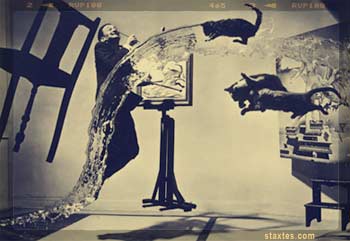
Photo by Philippe Halsman, 1948

Editorial: Φόλα στα ζώα -Ένας ακλόνητος παραδοσιακός θεσμός

Του Στράτου Φουντούλη

Θα προτιμούσα να επιχειρήσω τη σύνταξη προλόγου του είδους:

«Άνθρωποι σαν και την αφεντιά μου δεν είναι ποτέ ευτυχισμένοι, παρακαλώ να καταγραφεί στα πρακτικά ότι, τέτοιοι άνθρωποι δεν χρειάζονται «τη συμπόνια κανενός»• διότι αποχωρούν από αυτόν τον μάταιο κι ευτυχή τόπο με μιαν εκπληκτική ευχέρεια, κι όταν λέτε σε έναν τέτοιο άνθρωπο ότι οι τοίχοι του χώρου που έχει επιλέξει ως κατοικία είναι λευκοί, γυμνοί• τέτοιοι που• φέρνουν στο νου τοίχους ψυχιατρείου –να ξέρετε ότι δεν αποκλείεται να λάβετε πληρωμένη απάντηση του τύπου: Οι ζωγραφιές μου κρέμονται στους τοίχους της ψυχής μου, τα βιβλία μου καταλαμβάνουν τα ράφια της ψυχής μου, η μουσική μου παίζει στο απέραντο στάδιο της ψυχής μου. Εάν μετά από απαντήσεις του είδους, ενός ανθρώπου του είδους, σεις επιμένετε στην άποψή σας ότι παραμένει άκαρδος• μην  αποκλείετε το γεγονός ότι και η καρδιά του ίσως, κάπου• σε κάποια από τις αμέτρητες σπηλιές της ψυχής του• μέσα κρύβεται…»
Θα μπορούσα να συνεχίσω στο ίδιο ύφος ή να επιχειρήσω να ταξιδέψω σε θάλασσες και σε πελάγη πιάνοντας το νήμα από έναν φοβερό πειρατή, να ζήσω το φόβο του πολιορκημένου Σελήμ Εουταμή, να χαθώ στα περιβόητα σοκάκια του Αλγερίου κάπου στις αρχές του δέκατου-έκτου αιώνα τότε που το Αλγέρι ήταν ακόμη μικροσυνοικισμός προσφύγων της Γρενάδας υπό την προστασία του Πέδρο της Νοβάρας ή κάτι ανάλογο τέλος πάντων• μόνο που έρχονται στιγμές που αναλογίζεσαι αυτό που συμβαίνει γύρω σου. Δεν θα μιλήσω για τη οικονομική κρίση, ούτε για το Γολγοθά του μέσου εργαζόμενου για επιβίωση –ίσως στο άμεσο μέλλον, να γίνει κι αυτό…
Θα μιλήσω για κάτι λιγότερο ποιητικό: για τα τρία νεκρά από φόλα, τουμπανιασμένα γατάκια στις άκρες των πεζοδρομίων. Έπεσαν στην αντίληψή μου τις τελευταίες μου μέρες στην Ελλάδα, σε συνοικία των βορείων προαστίων της Αθήνας… το γεγονός αυτό, μετά από το αρχικό, φυσικό ενστικτώδες σοκ που ένιωσα, το συνέδεσα και με τη παντελή απουσία νιαουρισμάτων τις τελευταίες μέρες, το συνέδεσα επίσης με τη δυσοσμία «ψοφιμιού» που τόσο έντονα ερχόταν από το απέναντι –φίσκα στα σκουπίδια- παρατημένο σπίτι με το οικόπεδό του –από εκεί ερχόταν η ανυπόφορη οσμή. Δηλαδή κάποιος ή κάποιοι κατάφεραν, «δουλεύοντας» συστηματικά να πράξουν μία μίνι γενοκτονία ζώων της γειτονιάς –ίσως και σκύλων μιας ολόκληρης της περιοχής –ποιος ξέρει, είναι πολύ πιθανόν σε μια χώρα όπου η φόλα στα ζώα αποτελεί παραδοσιακός θεσμός εδώ και πολλές δεκαετίες.
Διαβάζοντας τα πληθώρα περιστατικά δηλητηριάσεων ζώων (μέχρι και σε αρκούδες βάζουν φόλες), το φαινόμενο τελευταία βρίσκεται σε εξαιρετική… άνθιση και δείχνει το μέτρο πολιτισμού του μέσου πολίτη που ακόμα και εάν στην πλειοψηφία του, δεν διανοείται να δηλητηριάσει ζώο ή δεν βάζει φόλες, προσπερνά το γεγονός σιωπηλά συνεχίζοντας αδιάφορα τη πορεία στη ζωή, ανάμεσα στη βρομιά χωρίς να διαμαρτύρεται.
Πόσο τυχαίο είναι το εύρος της διαφθοράς, κυρίως η γενικότερη λαϊκή σιωπή ή ανοχή αυτής της νοσηρής πραγματικότητας σε όλο το (οριζοντίως και καθέτως) κοινωνικό φάσμα με τις δηλητηριάσεις οικόσιτων ή μη, ζώων. Μπορεί κανείς όλα αυτά να τα αποσυνδέσει από επαίσχυντες πράξεις όπως δηλητηριάσεις ζώων; Με την γενικευμένη «αθώα» omerta της διαπλοκής σε όλες της δημόσιες υπηρεσίες, σε όλους τους δημόσιους λειτουργούς. Ούτε η ελλιπή λειτουργία της Δικαιοσύνης –η γενικευμένη ατιμωρησία μπορεί να θεωρηθεί γεγονός άσχετο.
Η κοινωνία μας είναι σε μεγάλο βαθμό άρρωστη. Νοσεί βαθύτατα, σε όλα τα επίπεδα, πρωτίστως ηθικά και πολιτισμικά. Η κρίση η πολιτικοοικονομική δεν είναι παρά απόρροια αυτής της γενικευμένης ηθικής σήψης.

©αγριμολόγος

Πάνος Σταθόγιαννης, Ο Γραφιάς (Homo Scriptor)

Κρίση βιβλίου 
Της Ιφιγένειας Σιαφάκα

Ο Γραφιάς ή homo scriptor του Πάνου Σταθόγιαννη, αρχής γενομένης από τον τίτλο και τον υπότιτλο του βιβλίου, μας γνωστοποιεί άμεσα, ήδη από το εξώφυλλο, τον ορισμό του γράφοντος υποκειμένου, που θα εναγκαλιστεί συνειδητά και με συνέπεια εν συνεχεία (και στα 22 κείμενα που θα ακολουθήσουν) τόσο με τις συγγραφικές προθέσεις όσο και με τους δρόμους που αυτές θα επιλέξουν για να πραγματωθούν, έχοντας αφενός ως αποκλειστικό άξονα το ομιλούν υποκείμενο —ένα υποκείμενο που ορίζει αλλά και αυτοορίζεται ευνουχισμένο διά μέσου της γραφής (η μάνα μου φοβότανε που άσπρισε η γαστέρα της σαν λερωμένο γένι. Μ’ έστειλε πάλι πίσω. Ν’ αναδυθώ ως νήπιο, με νόμισμα στο στόμα. Να μη χρωστάω στο θάνατο – της Μιχαλούς μονάχα) — και αφετέρου ως αποκλειστικό εργαλείο τον μοναδικό ενδιάμεσο όσον αφορά στην απώλεια και στην περι/γραφή της: τη γλώσσα της Τέχνης του, της λογοτεχνίας δηλαδή (Ιδού, λοιπόν, που ενσαρκώθηκα στο άνθος. Την κόψη ωραίας κόσας θα γλυκάνει ο οπός μου. Διάγω βίο ανερμήνευτο. Στο στήθος μου εγκαθίσταται σαν νοικοκύρης ένας ξένος. Τρατάρει δικούς του γνωστούς, αλλάζει τα σιντί, κάνει προπόσεις. Κι ως έρχεται ένας άνεμος να πυρπολήσει τις χειρονομίες μου, μία πρόθεσή μου, ευτυχώς, διαιωνίζεται. Εξέρχεται της Ιστορίας. Θωπεύει το Αμείλικτο Ζώο).

Ο τίτλος του βιβλίου «λαϊκός», σύντομος, κοφτός και τραχύς στον ήχο του, μας προϊδεάζει για την ανθρώπινη ρίζα του Γραφιά και για τις περιπέτειές του στο συγχρονικό άξονα του κοινωνικού γίγνεσθαι. Ο Γραφιάς, από τη μια, ζει στο εδώ και τώρα, προσπαθεί να ανακαλύψει την ταυτότητά του, συνάπτει κοινωνικές σχέσεις, αναδύεται μέσα από τους οικογενειακούς του μύθους, ανήκει στον κύκλο των ομοτέχνων του, καυτηριάζει τις πολιτικές επιλογές, ερωτεύεται, κρίνει και κρίνεται, φοβάται, συνειδητοποιεί.
Από την άλλη, ο υπότιτλος homo scriptor, πιο εκτενής «λόγιος», λατινικός, εισάγει, αρχής γενομένης από τον homo habilis της εποχής του λίθου, μία νέα κατηγορία στην «ανθρώπινη εξέλιξη» (Εμένα που με βλέπετε είμαι αυταπόδεικτος, γι’ αυτό και θα επιστρέφω πάντα. Ακόμα και τις μέρες που οι αλιφασκιές θα χαχανίζουν στον ερειπιώνα του κόσμου σας, καθάρματα. Στα βραχάκια απέναντι, θα κόβουν οι θεοί τις ανηφόρες. Με σπαθιές κατακόρυφες. Πιο ψηλά – απαρέμφατα. Κατσικοπόδαρα όλα τους. Θα τους δίνω αλάτι, θα μου γλείφουν τα δάχτυλα. Θα τα αρμέγω. Τότε το φως, α, το φως, θα μπεκρουλιάζει μονάχο του. Και στ’ αρχίδια του, ναι, στ’ αρχίδια του, που από σας – ούτε τέφρα) και υπονοεί πως τούτος ο «αυταπόδεικτος απόγονος της ράτσας» θα διατρέξει διά της γραφής το χρόνο, για να συναντήσει και να συνομιλήσει με το «αρχέγονο» και τις συμβολικές του απεικονίσεις (Πόσους αιώνες πια εξόριστος από τις πτήσεις; Να με τεμαχίζουν μαινάδες και κατόπιν να σμίγουν το αίμα τους με τα γαλάζια υγρά μου. Μέσα σε σπήλαια πλατωνικά να συναρμολογώ το σώμα μου απ’ την αρχή. Μόνο στις τέφρες να προσεύχομαι, μόνο σ’ αυτές το πουθενά μου να αποθέτω. Να παραμένει αίνιγμα το πώς επέζησα – θέλημα μάλλον των θεών κι ανάγκη τους, όχι δική μου).
Ήδη στις πρώτες σειρές (Η μάνα μου φοβότανε μην απολέσει διά παντός της παρθενιάς της τα λειριά. Νοίκιασε ξένη μήτρα κι εδέησα να γεννηθώ πάνω σε κάτι βράχια. Γύρω, τριγύρω —‘‘φου’’ πολλά σαν χλοερά καυσαέρια. Όπου τσαλακωνόταν ο θεός, κατέρχονταν μηδίζουσες πολίχνες. Στο παρακάτω το σκαλί— να σου κι ο Πολυδεύκης. «Πού σε πετάξαν, άμοιρε;» γυρνάει και μου λέει) συνειρμικά οδηγούμαστε στη Γένεσιν: «Καὶ εἶπεν ὁ Θεός· γενηθήτω στερέωμα ἐν μέσῳ τοῦ ὕδατος καὶ ἔστω διαχωρίζον ἀνὰ μέσον ὕδατος καὶ ὕδατος. καὶ ἐγένετο οὕτως»… και «ξεπετάγιεται» Ο Γραφιάς στα βράχια από παρθένα μάνα και ανύπαρκτο πατέρα, για να συνομιλήσει με τον Πολυδεύκη, το γιο της Λήδας και του κύκνου-Δία, του Διόσκουρου, ο οποίος λατρεύτηκε και αγαπήθηκε ως δεύτερος Απόλλων. Κι αργότερα, πάλι, μιλώντας για τους ποιητές: Λένε ότι τους αγαπούν, αλλά δεν λένε αλήθεια. Πώς ν’ αγαπήσεις κάποιον που φοβάται τις σπηλιές, μα όλο σε σπηλιές πηγαίνει; Και επιστρέφει τρέμοντας. Και το σπαθί του στάζει αίμα. Πετάει τον μίτο σε μιαν άκρη και πάει υπνωτισμένος κατά τη θάλασσα. Συχνά παραμερίζοντάς σε, Αριάδνη. Αφήνοντας σε μόνη σου. Με τον ρόγχο του μισοσφαγμένου Μινώταυρου.
Θα μπορούσαν να αναφερθούν πολλά ακόμη παραδείγματα, που δίνουν το στίγμα της διπλής κατεύθυνσης και των περασμάτων από τη μια στην άλλη, με κύριο πάντα πρωταγωνιστή την ελληνική του γλώσσα: μια γλώσσα με νεύρο, τολμηρή, ανατρεπτική, ευαίσθητη, σκληρή, σαρκαστική και συνάμα αιμορροούσα, που δεν ερωτοτροπεί με τις γνωστές εμπορευματοποιημένες συμβάσεις και με κανένα από τα φορεμένα κοκτέιλ της αφασικής και αφελούς αφήγησης, που παρακάμπτουν βίαια τη λαϊκή και ανθρώπινη λαλιά, για να αναδείξουν απρόσκοπτα, χωρίς φραγμό και αιδώ, τη λαϊκίστικη και αλλοτριωμένη της πλευρά. (Έχει και πράματα που σφράγισε απάνω της η μοίρα – δεν φταις εσύ γι’ αυτά, δεν σε κακίζω. Δεν δικαιούσαι όμως, διάολε, δεν δικαιούσαι να τα βγάζεις στο παζάρι. Σε ξένα χέρια θα βρωμίσουνε, θα βγάλουν πράμα. Έχουνε ήδη μυρωδιές ευάλωτες. Από σπηλιές, πουλιά αιχμάλωτα κι ετοιμοθάνατα, καμένα σπίτια. Και παρακεί, να, γι’ αυτήν εδώ την τρύπα λέω, κοίτα μέσα της. Τον βλέπεις τούτονε τον μόνο του, τούτονε με την πέτρα; Αυτός θα μαραγκιάσει πρώτος στο ανίερο. Είτε μες στις σημαίες του είτε μες στις κιλότες. Θα γίνει μπόχα). Η γλώσσα του Γραφιά είναι η γλώσσα για την οποία ο Βιτγκενστάιν μιλάει καθορίζοντας τα όρια του κόσμου του ομιλούντος υποκειμένου, μια γλώσσα που πλαταίνει και βαθαίνει αγγίζοντας με την υπερρεαλιστική διάστασή της το Πραγματικό της ανθρώπινης επιθυμίας και αναδεικνύοντας τις άγνωστες αλλά αληθείς πλευρές της.
Ως εκ τούτου, Ο Γραφιάς είναι μία συλλογή κειμένων που δεν απευθύνονται στο μαθημένο και επιπόλαιο αναγνώστη να «καταβροχθίζει» τυπωμένες σκέψεις, για να τις τοποθετήσει αδιάφορα και ανεπιστρεπτί στο ράφι της βιβλιοθήκης του και, υπό την έννοια αυτή, ο οβολός του αναγνώστη συνιστά πνευματική επένδυση στο χρηματιστήριο των ιδεών και των συναισθημάτων, που κάθε δεύτερη, τρίτη ανάγνωση… του επιφυλάσσει για να τον αποζημιώσει. Στον Γραφιά «δεν εξιστορούνται» ανθρώπινα συμβάντα, αλλά «αποκαλύπτονται» και σχολιάζονται ανθρώπινες πραγματικότητες, πολύ πιο πραγματικές απ’ τις «φαινομενικά πραγματικές». (Στην πραγματικότητα όμως είμαι βελούδινη. Θυμίζω κάπως την Τέχνη της Αστρολογίας, αλλά απ’ την πίσω πόρτα. Από εκεί που κάποτε θα μας εγκαταλείψει ο θεός. Γιατί υπάρχει, σου λέω. Είναι βέβαιο. Κοίτα τη στάχτη όταν υγραίνεται και θα πειστείς). Ποιος τις γνωρίζει άραγε αυτές, όταν δεν είναι αυτονόητες; (Α, εμείς, από τη Συντεχνία της Άγνοιας, συμπεριφερόμεθα ωσάν η Αλήθεια να είναι μια αίρεση της λογικής, που έτυχε να επικρατήσει. Κάτι σαν τον άνεμο έξω, που τρελαίνει τις αντένες. Τον ηλεκτρισμό, ακριβέστερα, που και όμως κινείται. Είναι, δηλαδή, μια θεότητα αυθύπαρκτη και, ως εκ τούτου, απροσπέλαστη. Έχει τη ραστώνη της στιγμής, με ένα “πάντα” καρφιτσωμένο στις επωμίδες. Πού να κάθεται τώρα να ασχολείται με τα δικά μας τα γήινα). Ο Γραφιάς, κατ’ αυτόν τον τρόπο, κατεβάζει την αυλαία του δεδομένου και μας καλεί να τον παρακολουθήσουμε στα παρασκήνια, όπου καταρρίπτονται οι νόρμες (Κάκιστος χορευτής εκείνος, όμως θα το χαιρόταν να κυματίζεις μπροστά του με κινήσεις γυναίκας βαθύτατης, να του χαμογελάς κάθε τόσο, έτσι αστραφτερά που το κάνεις. Ξέρεις, του έχουμε πει ψέματα ότι είναι πεθαμένος, και οι πεθαμένοι από τον Απάνω Κόσμο μονάχα τα χαμόγελα έχουνε νοσταλγήσει).
Με τα 22 κείμενα του Γραφιά ο αναγνώστης ξαφνιάζεται και πλουτίζει κάθε φορά που επανέρχεται, όχι μόνον για να απολαύσει τη ελληνική γλώσσα αλλά και, εάν είναι υποψιασμένος, να του επιτρέψει να του αποκαλυφθεί η τεχνική τού δια/γράφειν και μετα/γράφειν το ομιλούν υποκείμενο εν τη απώλειά του, δημιουργώντας Τέχνη. (Η πέτρα μόνο σε πέτρα μπορεί να μεταμορφωθεί. Βέβαια, το κάνει ανορθόγραφα, με σύμφωνα συριστικά και παροξύτονους τριγμούς, αλλά στη γλώσσα τη δική της τα πάντα επιτρέπονται. Κρατάει, πάντως, ένα βυζί μητρικότατο, για όποιον θέλει να θηλάσει παρελθόν που φτάνει ως τη λάβα).
Η γλώσσα του Γραφιά πενθεί βουβά, για να διατρέξει και να ενσαρκώσει το ανθρώπινο σε όλες τις εκφάνσεις του. (Γιατί εκείνοι διέκριναν εγκαίρως κάτι άχρηστο – ότι η μάσκα, άμα δεν κρύβει πίσω της ψυχή, δεν κάνει ούτε για μάσκα. Τώρα ο μπακάλης δεν τους δίνει βερεσέ. Ο κόνδωρ ο καλός δεν τους ταΐζει. Τους βρίσκουν ύστερα από δέκα μέρες οι γειτόνοι. Απ’ τη βρώμα. «Εκείνος ο κωλόγερος τα τίναξε», λένε τα λόγια τα δικά σας. Με το στόμα σας. Ύστερα σπεύδετε μαζί να απολυμάνετε τους διαδρόμους. Γι’ αυτό, λοιπόν, ουαί υμίν, παλιάνθρωποι, ουαί υμίν, κωθώνια). Αυτός όμως ο τόπος του βουβού πένθους, αν και υπαρκτός, είναι, από την άλλη, σχεδόν αδύνατον να προσεγγισθεί διά μέσου της γλώσσας (Τότε ακριβώς είναι η στιγμή που εγκαθιδρύεται στο στέρνο μου η πιο βαθιά μου φύση – πεινώ και τρώγω αίματα, διψώ και πίνω δάκρυα. «Βάκχε», ολολύζω και σαλτάρω στη σκηνή, κρατώντας θύρσο. Άλλο δεν θα σου πω – θα δεις μονάχη σου το επέκεινα, θα με διαβάσεις, θα με λυπηθείς κι εσύ…). Και η γλώσσα, όσο κι αν την κανακεύει Ο Γραφιάς, εκείνη τον εξαπατά, για να της παίξει ένα παιχνίδι και να παραδοθεί τάχα αιχμάλωτος στην «αλαλία» των χρωμάτων — θα σε τιμωρήσω αλλιώς, της λέει, να τι θα πάθεις τώρα στραγγαλίστρια του θανάτου μου!— με Κείμενα σε πορφυρό ιλίγγου (1), σε ασημοπράσινο νεαρής, ακλάδευτης ακόμη, ελαίας (2), σε λευκό χιονιού, έτσι όπως γκριζωπά αποτυπώνεται στις παλαιές φωτογραφίες (3), σε μπλε ωραίου μαύρου κύκνου (4), σε κόκκινο και μαύρο αποσάρκωσης (5) σε γιασεμένιο χαμόγελου (8), σε οσμηρό σάπιου καρπού (11), σε ρόδινο ψυχρού νερού που έπλυνε αίμα από λευκό πουκάμισο (15)…
Τα χρώματα της σιωπής ή η σιωπή των χρωμάτων και η ανάγνωση των κειμένων του Γραφιά του Πάνου Σταθόγιαννη μού έφεραν στο νου τον Ντιντερό στα Αισθητικά του: «H σιωπή συνοδεύει τη μεγαλοπρέπεια. Η σιωπή βρίσκεται καμιά φορά μέσα στο πλήθος των θεατών, ενώ στη σκηνή συμβαίνει ο πάταγος. Μπροστά στις μάχες του Λε Μπρεν στεκόμαστε σιωπηλοί. Καμιά φορά πάλι βρίσκεται στη σκηνή• και τότε ο θεατής βάζει το δάχτυλο μπροστά στα χείλη από φόβο μην τη σπάσει». Άλλωστε, Ο Γραφιάς το παραδέχεται και μας καλεί να συμπορευτούμε —διά μέσου της αναγνωστικής απόλαυσης, που επιφυλάσσει ο έντεχνος και λεπτός χειρισμός των ιδεών—, ως κοινωνοί του αλλότριου, της φρίκης και των δικών μας φαντασμάτων, που η ίδια η γλώσσα μας πιστοποιεί, όταν δεχθούμε να την αποποιηθούμε ως συγκάλυψη και να την οικειοποιηθούμε ως βουβό αλλά και αληθή συνάμα μάρτυρα της προδοσίας που μας επιφυλάσσει: Οι κρεμασμένοι, μας υπενθυμίζει o Πάνος Σταθόγιαννης, τινάζονται για λίγο αιωρούμενοι άτσαλα. Όμως σύντομα βρίσκουν έναν κάποιο ρυθμό στην κίνησή τους. Πάνε πέρα δώθε, όπως τα βαρίδια του εκκρεμούς στο ρολόι που κρέμεται πίσω μου. Μέσα στο σκοτάδι. Μια που το φως εκείνη τη μέρα δεν το άναψα καθόλου. Έμεινα από το πρωί κλειδαμπαρωμένος στο σπίτι. Χωρίς καν την αγάπη. Όρθιος μπροστά στο κλειστό παράθυρο. Να κοιτάζω από τις γρίλιες έντρομος την πολιτεία πάνδημη να υποδέχεται τους ολυμπιονίκες της, γκρεμίζοντας τα τείχη. Κι ύστερα βουβά να τους απαγχονίζει. 

©Ιφιγέγεια Σιαφάκα
Φωτογραφία ιδιοκτησίας του συγγραφέα, ειδική επεξεργασία: Στάχτες

Πάνος Σταθόγιαννης, 
Ο Γραφιάς (Homo Scriptor)
Εκδόσεις Γαβριηλίδη 2013.


Νανά Τσόγκα, Με ασημένια ουρά


(Beethoven: Concerto No5, Adagio 2nd movement)

Σαν ανεπιθύμητη υπογεγραμμένη, εδώ κι εκεί και πιο συχνά, …σκουπίδια, μπόχα… ενοχλητική υπενθύμιση. Λες και τα γεννάει το μολυσμένο βλέμμα μας που είναι συνεχώς χαμηλωμένο.
Η σιωπή δεν είναι αδιαφορία˙ η πόλη μου με πιάνει, με ταρακουνάει – κι εκεί στην στροφή, με σπρώχνει απότομα˙ ολόσωμη μπροστά μου, ωσάν επείγουσα ανάγκη να την υπερασπιστώ.
Ή να την συνοδεύσω στην κηδεία της.

Δεν είναι ακριβώς νοσταλγία˙ είναι μια δίψα έξω από μας, γι’ αυτό που λείπει.
Μερικές φωτογραφίες δείχνουν, πώς θα καταλήξει ο άνθρωπος που έχει απαθανατιστεί˙ ή, πως, μόλιςέχει πάρει μια μεγάλη απόφαση.

Στο μεταξύ, το φεγγάρι έχει μπει μες στο δωμάτιο.
Ασημένια άχνα, σαν μόλις να πέρασε κρυστάλλινη άμαξα – και χάθηκε η ευκαιρία να μάθουμε ποιος ήταν μέσα.
Ο έρωτας διάφανα νερά – για χάρη του, γινόμαστε χελιδονόψαρα με αμφίβια βράγχια ανάμεσα στα άνθη του βυθού.
Στο μέλλον – ή κάποια άλλη στιγμή – τη θέση μου θα πάρει ένα μικρό λουλούδι ν’ αφηγηθεί για τις δικές του ρίζες.

Στον ύπνο πάντα ταξιδεύει – κι ας μη θυμάται μετά, πού πήγε.
Της χάιδεψε τα μαλλιά καθώς άκουγε την ήσυχη ανάσα της.
Από ευτυχία, πάντως, εκείνη ξύπνησε.
Και πριν προλάβει να αναδυθεί απ’ τον βυθό τού ‘πρόβα-θανάτου’ Δέλτα
σκέφθηκε πως ο άλλος πρέπει να ’χει χρόνο για να σε πλησιάσει.
Ή, να μην τον νοιάζει, πώς θα τον σπαταλήσει.
Και στις δύο περιπτώσεις, ο καιρός περνάει.
Άλλους τους κάνει πλούσιους, κι άλλους με πλούσια μοναξιά.
Όλοι είμαστε πολύ πιο πλούσιοι απ’ ότι νομίζουμε.
Όμως, καμία ανθρώπινη χάρη δεν συναγωνίζεται τον χορό ενός φύλλου μέσα στην ανελέητη καταιγίδα του Γενάρη.
Πλημμυρίζουν και τα δάκρυα, φορές…
Και το φεγγάρι πριν βουτήξει στα νερά, χελιδονόψαρο με ασημένια ουρά.

© Νανά Τσόγκα
Φωτογραφία © Στράτος Φουντούλης, Ηράκλειο Κρήτης, Αύγουστος 2013.

*
Σύντομο βιογραφικό: Ψυχολογία, Κοινωνιολογία Μ.Μ.Ε. στο πανεπιστήμιο του Tûbingen στη Γερμανία, υποτροφία στη δραματική σχολή του Εθνικού Θεάτρου, διδασκαλία αγγλικών, γερμανικών, σεμινάρια υποκριτικής, ποίησης και λογοτεχνίας, ραδιόφωνο επί 25ετία, ηθοποιός, ραδιοφωνική παραγωγός, μεταφράστρια – και μανιώδης γραφιάς:
Ακροβολισμοί, μεταΠοίηση μετΑμφιέσεων, το ανοίκειον κέλυφος, η είλη της ύλης, σημειΟμματα = ποιητικές συλλογές
Χαριστική αναΒολή = μυθιστορία
Το ΟΝειρο του Κόσμου = αφηγήματα (υπό έκδοση)
Δημοσιεύσεις σε ανθολογίες και λογοτεχνικά περιοδικά: διηγήματα, ποιήματα, κείμενα για το Θέατρο, τον Κινηματογράφο, την Ποίηση και τις Καλές Τέχνες.
Περιοδικό “Πανσέληνος” ~ Ένα κυνικο-τρυφερο-ιλιγγιώδες βήμα πριν από το χάος.

http://onlysand3.blogspot.gr/ 
https://www.facebook.com/profile.php?id=625349482 

Matthew J. Duggan -poetry


I ALWAYS SEEM TO WATCH YOU FROM AFAR

On evening where sheets of rooks whirl
like cyclones of flapping ash,
through the dark afternoon window
where I see the shell of a blue star.
I watch you from afar

time beating like an impatient monster in motion,
our day became fitted hours of paid banality,
yet I always seem to watch you leave but never
arrive.

When I heard the wind carry its voice
from cordial gutter to napkin fields of snow,
where horses ran in triangles of untouched lavender
did I see an image of you walking away.

If I could stop time and its deathly ruin
and pause just an hour in your arms
I would see the true wonderment in love
its necessities and beauty in flourishing threads of time.

Yet I always seem to watch you from afar
either leaving or sleeping beside me deep in dream,
passing me in the hallway at night
like a familiar stranger on a returning train.

*

NOTES ON MEETING MY YOUNGER SELF

I watched him without interruption
my naïve and arrogant imitator,
a lying master to all assumptions
you see that boy I’m now his narrator.
I saw smudged swans drift in a river
with familiar figures I’d almost forgot,
wanting to question them before time withers
and fading seconds of youth stop.
Yet these cobbled streets held my memory
like a dark star holds the canvas to our sky,
when once best friends became the enemy
the boy started to look through a man’s eyes.

© Matthew J. Duggan
photo©Stratos Fountoulis

*

bio
Matthew J. Duggan has published in many poetry magazines such as Dwang 2, Seventh Quarry, Carillon, Monkey Kettle, Littoral press, Chimera, Magpie’s Nest, The Ugly Tree, Connections, Square (On a CD ), M:/P Mag, Krax, and many more.

Thodoros Ellinas, Behead me for I am a fool

Behead me for I am a fool
in love with the red dance
of your lithe shadow,
torture me for I am an idiot
dressed in the rags of hope,
stone me for the anguished
emptiness I cry out in,
as you pass deliberately dagger
eyed and gimlet mouthed by the
open door of your home.

I would be beaten and flayed than
never know your smile, fall in
dung and be refused ablution
than never hear your singing voice
in my kitchen.

At night, visions of you haunt my
dreams, your tapered fingers
reaching for mine as I stumble beneath the
cold starless sky.
You lead me gently to your hearth fires,
offer tea , treat me as an honoured
guest and in my heaving bosom thankful
tears drown me in famished desire.

Then I awake and even this is torn,
even this silken kiss of skin snatched
from my aspiring and I awaken to the
black truth once more. I am bereft of even
this self-deceit, this contemptuous trickery
of my maddened mind and feel the loneliness
of the moon kissed lunatic.

Send them my cold distant love, send your
father and brothers, send them with sticks
flails and whips to beat me from your door,
your pure modesty demands it , your family’s
good name insists that your love must be
denied. Send them and not your snatched
backward glances.
End my living in this hell.

*
Shooting the Ceausescu’s 

I’m sick of this charade, this theatre of
puppets living my life as if I have no curiosity,
where turning over a rock to find reason crawling
there is like dropping a wet fart in an elevator
full of Imams.

I am sick of having some big fat invisible hand up
my pained backside and it moving my tongue
with its index of revealed truths, I’m tired of it closing
my eyes making me recite the Victory march to oblivion
like an upturned porcelain doll hopping
to the sound of the Ottoman kettle drums.

Damn it I am nauseous with the taste of my
own sense of shame, as it washes around my
throat like an invented wine made of crushed
bones and silicon. I cannot go on playing this
game for special children of; “see it now forget
it.”

I cleaned my hands five times today plus three
to eat. I closed the doors and locked them four
times as I bent to sound of big Bird croaking in
his nest. But by my beard and my toenails I can’t
switch off the gas any more than I have already and
the scruples are ringing like bells in my blocked ears.

Please.

If I hear you say once more – keep walking, keep
talking that hedge witch wisdom of the forest – then
I swear I’m gonna bite my own fingers off during lent
and send you the doctors bill.

“Hush now child”, just will not do anymore.
Nor will “Hold your questions”, because over the
rainbow there’s a sweet little gift where you
can pull your blue jeans on and go riding with
David Dundas and Cat Stevens as a lithe young
man once again growing his third set of teeth.

It’s time old man to get this straight – culture is not enough.
of a reason to keep believing these scary stories. I’m playing
no more games of donkey, chasing Nassrudin’s celestial carrots
anymore. I’m cutting the barbed wire of faith wrapped
around my heart. I am demolishing the Berlin wall in my mind
shooting the Ceausescu’s, in my brain because this is the spring
time of my soul.

© Theodoros Ellinas
Photo by Nasiakapa.com 

bio
Theodoros Ellinas, was born in 1957 in Camden London to a couple from Cyprus who moved there in the 50’s. He grew up in Liverpool and moved to Cyprus for three years in 1967. He attended Leeds University where he studied drama and presentation, He declares that: My main influences are my historical and cultural background, existential philosophy, the nature of language and relationships. My most abiding and respected writers are Kurt Vonnegut, Hermann Hesse and Osho. Politically I lean to the left and having been a victim during my youth of the Greek Junta during my education I am also fascinated by the acquisition of prejudices and their effect on life choices.